
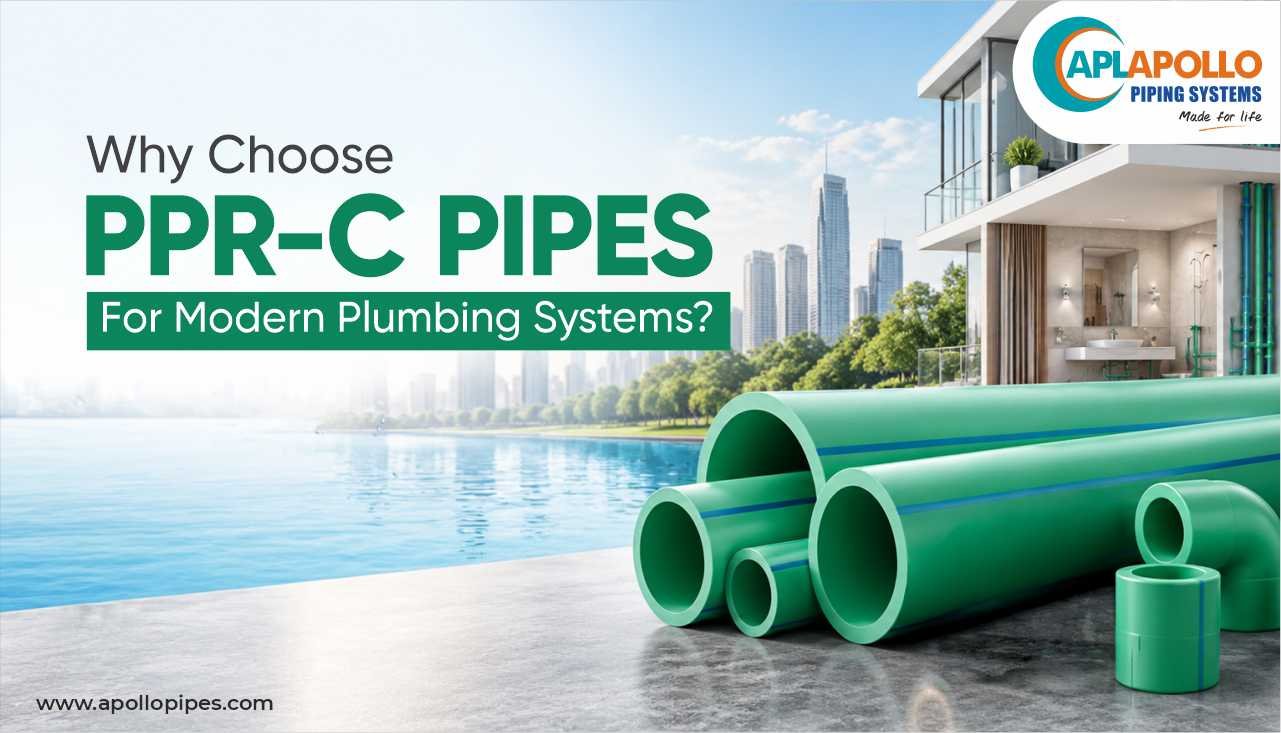

Modern buildings need plumbing systems that deliver water reliably, handle changing temperatures, and require minimal maintenance. Whether it is a residential home, a commercial complex, or an industrial facility, choosing the right piping material is essential for long-term performance. A PPRC pipe is a popular choice for modern plumbing because of its corrosion resistance, durable construction, and suitability for hot and cold water distribution when selected according to the required operating conditions.
What Are PPRC Pipes?
PPRC pipes are made from polypropylene random copolymer, a thermoplastic material used in plumbing and water distribution systems. These pipes are designed to transport water and other compatible fluids under specified temperature and pressure conditions.
Read More: The New Yard Rules: Lose Some Lawn, Bury the Boulders, and Let Colorado Look Like Colorado
Their ability to serve hot and cold water applications makes them suitable for various building projects. When combined with compatible fittings and correctly installed joints, a PPRC plumbing system can provide a dependable solution for everyday water supply requirements.
Key Benefits of PPRC Pipes
1. Durability and Long-Term Performance
PPRC pipes offer good resistance to corrosion, unlike conventional metal pipes that may deteriorate due to rust under certain conditions. Their durability makes them suitable for concealed plumbing installations, where repairs can be inconvenient and expensive. With the correct pressure rating, proper installation, and appropriate operating conditions, they can support long-term plumbing performance.
2. Suitable for Hot and Cold Water
One of the main advantages of PPRC pipes is their suitability for hot and cold water systems. They can be used in domestic water supply networks, bathrooms, kitchens, and heating applications, depending on the product specification. However, the pipe’s temperature and pressure ratings must be checked carefully, as prolonged exposure to higher temperatures can affect its service life and pressure-handling capacity.
3. Leak-Resistant Connections
PPRC plumbing systems commonly use heat-fusion jointing. During installation, the pipe and compatible fitting are heated using the appropriate equipment and joined to form an integrated connection. When the process is performed correctly, the resulting joint helps minimise leakage risks and supports a reliable water distribution system.
4. Resistance to Scaling and Corrosion
The smooth internal surface of PPRC pipes helps reduce friction and the accumulation of deposits under suitable water conditions. This can support consistent water flow and reduce problems associated with corrosion and scaling. However, actual performance also depends on water quality, operating conditions, and correct system design.
5. Hygienic Water Distribution
Water supply pipes must help maintain water quality throughout the distribution network. Suitable PPRC pipes can be used for potable water applications when the product meets the relevant requirements. Proper storage, installation, flushing, and maintenance are equally important to prevent contamination and maintain a hygienic plumbing system.
6. Easy Installation and Low Maintenance
PPRC pipes are lightweight compared with many traditional metal alternatives, making them easier to handle and transport. Heat-fusion installation also allows compatible pipes and fittings to be connected without conventional threaded joints at every connection. These features can simplify installation and reduce routine maintenance needs when the system is properly designed.
7. Chemical Resistance and Versatility
PPRC pipes offer resistance to many chemicals, making them suitable for selected industrial fluid-handling applications. Their compatibility depends on the type and concentration of the chemical, operating temperature, pressure, and pipe specifications. Checking these factors before installation is essential for safe and dependable performance.
Applications of PPRC Pipes in Modern Plumbing
PPRC pipes are used across residential, commercial, and selected industrial environments. In homes and apartments, they can supply hot and cold water to kitchens, bathrooms, and utility areas. Hotels, hospitals, offices, schools, and commercial complexes can use them in appropriately designed water distribution networks.
Read More: How Digital Signage Boosts Engagement in Retail Environments
Depending on the product and application requirements, PPRC systems can also support heating, air-conditioning, solar water heating, rainwater utilization, and certain industrial processes. Their versatility makes them useful across projects with different plumbing needs, provided the chosen system meets the required technical specifications.
Factors to Consider When Choosing PPRC Pipes
Before selecting a PPRC pipe, consider the following factors:
Pipe diameter: Choose a size that meets the system’s water demand and flow requirements.
Pressure rating: Ensure the pipe can handle the expected operating pressure.
Temperature range: Check suitability for the intended hot or cold water application.
Compatible fittings: Use appropriate fittings, valves, and transition connections.
Standards and quality: Verify applicable product standards and required certifications.
Installation method: Ensure trained professionals follow the manufacturer’s jointing and installation guidelines.
Considering these factors helps builders, contractors, and homeowners choose a suitable plumbing solution while reducing the risk of premature failures and avoidable repairs.
Why Choose APL Apollo’s PPR-C Plumbing System?
At APL Apollo, we offer a PPR-C Plumbing System in four variants: Mono Layer, Triple Layer, Thermotech, and Thermotech Plus, designed to meet diverse plumbing requirements. Our system has a stated working temperature range of -20°C to 95°C, subject to the selected variant and operating conditions. With heat-fusion jointing for strong, leak-resistant connections, our PPRC pipes offer features such as scaling resistance, chemical resistance, thermal insulation, and hygienic water distribution. Selected variants, including those in the Thermotech range, also offer UV resistance.
Our pipes are available in sizes ranging from 20 mm to 50 mm, along with compatible fittings in different sizes. Our product range references IS 15801 and DIN 16962, with pressure ratings varying according to the product category. Whether for residential, commercial, or suitable industrial applications, we provide plumbing solutions designed to meet varied project requirements. With the right variant, size, and pressure rating, you can build a dependable plumbing system with APL Apollo. Explore our official website (www.apollopipes.com) for detailed specifications and to assess product suitability for your application.